Join Us

The Celebrations
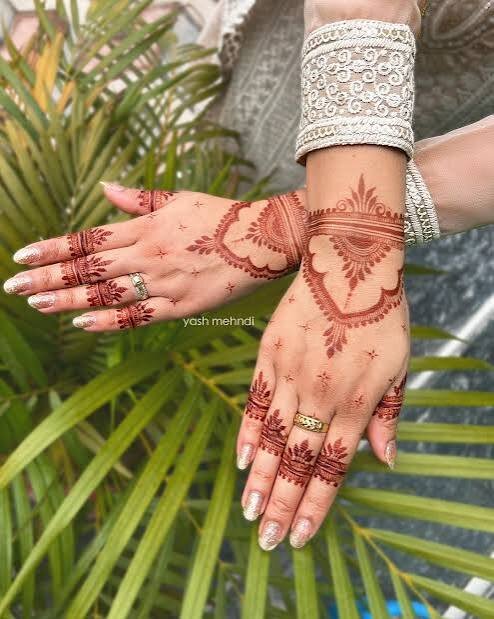
Mehendi 3:00 PM
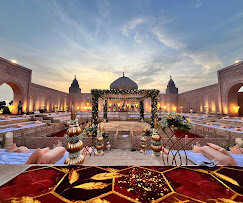
Mehendi

📍
Tue, Nov 24
Sangeet - Music unites families 6:00 PM

Sangeet - Music unites families

🗺️ View on map

Dress Code
Indian festive — lehengas, sarees, sherwanis & kurtas
Western alternatives: Business casual to Business formal - Modest cocktail dresses, suites, dress shirts
Snātakam - ancient Samāvartanam (graduation ceremony). 10:33 AM

Snātakam - ancient Samāvartanam (graduation ceremony).

🗺️ View on map
Dress Code
Choose your dress - No shorts or skirts
Wed, Nov 25
Wedding 9:30 PM

Wedding

🗺️ View on map
Dress Code
Traditional Hindu Festive

Mehendi

Tuesday, November 24 · 3:00 PM
📍

Sangeet - Music unites families

Tuesday, November 24 · 6:00 PM
RB Nagar Colony, Fort Grand Rd, beside RGIA police station road, beside MMR Convention Hall, Brindavan Colony, Shamshabad, Hyderabad, Telangana 501218, India
🗺️ View on map
Dress Code
Indian festive — lehengas, sarees, sherwanis & kurtas
Western alternatives: Business casual to Business formal - Modest cocktail dresses, suites, dress shirts
An evening of music, dance and celebration as both families come together. Expect dance and song performances by friends family, bride and groom, including you. Plenty of Fun, Food and Festivities — come ready to hit the floor!

Snātakam - ancient Samāvartanam (graduation ceremony).

Wednesday, November 25 · 10:33 AM
RB Nagar Colony, Fort Grand Rd, beside RGIA police station road, beside MMR Convention Hall, Brindavan Colony, Shamshabad, Hyderabad, Telangana 501218, India
🗺️ View on map
Dress Code
Choose your dress - No shorts or skirts
Before the wedding begins, the groom takes part in a traditional Andhra Brahmin ceremony called Snātakam — a rite of passage that symbolizes his transition from student life into married life. The ceremony starts with a short prayer, followed by a symbolic purification where the groom touches or sprinkles water. This represents letting go of past worries and preparing for a new chapter. The priest then shares a few guiding principles from ancient Indian philosophy — simple ideas like speaking truthfully, acting responsibly, honoring parents, and treating others with respect. In Andhra tradition, these teachings are explained clearly so everyone understands their meaning. The groom takes a few vows to lead a responsible life and care for his future family. In a uniquely Andhra ritual, the priest reminds him that every person carries both strengths and weaknesses, and the groom symbolically commits to nurturing the best within himself. One of the most charming moments comes when the bride’s father welcomes the groom into the family by offering traditional items: Sugarcane for sweetness in life Panakam, a sweet drink, for strength A silk cloth as a gesture of respect and acceptance With blessings from elders, the groom completes Snātakam fully prepared — spiritually and emotionally — to begin the wedding. In many Andhra families, this is followed by a playful moment called Kashi Yatra, where the groom jokingly pretends to leave for a life of study until the bride’s family lovingly persuades him to stay and marry. Snātakam is a short but meaningful ceremony that blends philosophy, symbolism, and family warmth — setting the stage for the wedding that follows

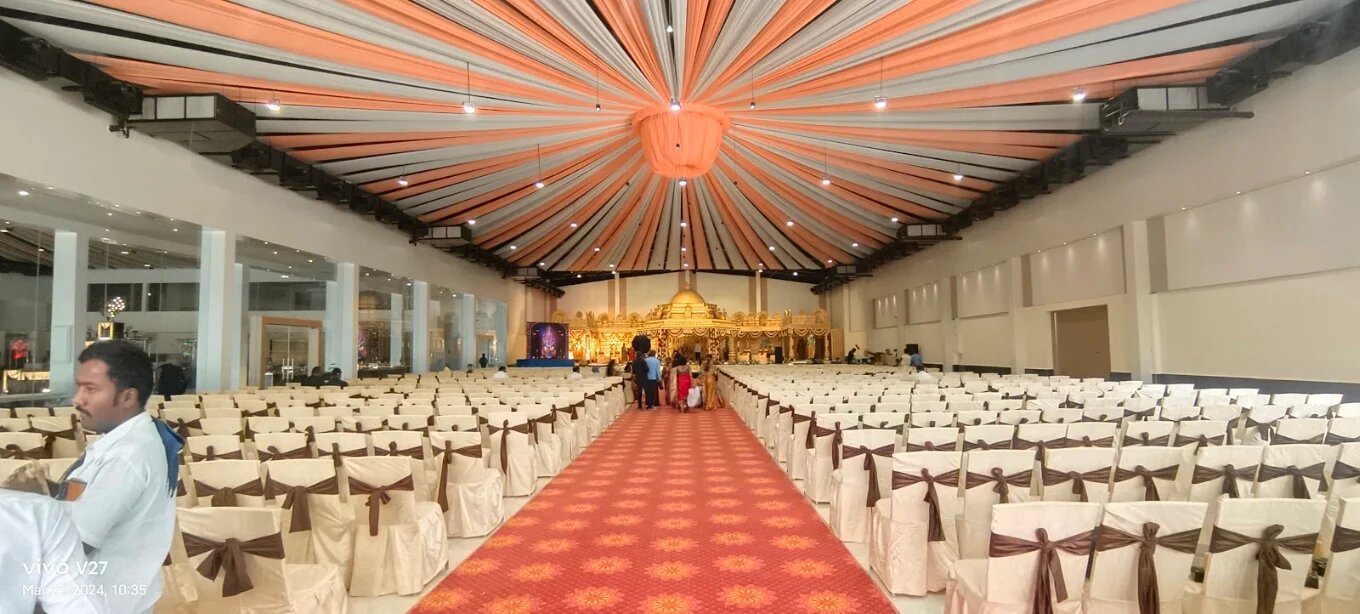
Wedding

Wednesday, November 25 · 9:30 PM
RB Nagar Colony, Fort Grand Rd, beside RGIA police station road, beside MMR Convention Hall, Brindavan Colony, Shamshabad, Hyderabad, Telangana 501218, India
🗺️ View on map
Dress Code
Traditional Hindu Festive
The main ceremony — A traditional Andhra Brahmin wedding is a graceful sequence of symbolic rituals that celebrate unity, family, and partnership. The groom is welcomed by the bride’s family, the couple exchanges vows through meaningful gestures, ties the sacred marriage necklace, and performs rituals that represent harmony, prosperity, and shared responsibility. The ceremony blends philosophy, devotion, and joyful playfulness, culminating in blessings for a happy married life. 


Edurukolu (Welcoming the Groom) The groom arrives at the wedding venue and is warmly welcomed by the bride’s family with music, blessings, and symbolic offerings. Significance: A ceremonial greeting that honors the groom and marks the joining of two families. 


Nichayathartham / Lagna Patrika (Formal Blessing of the Union) The families formally announce the marriage, exchange gifts, and bless the couple. Significance: A public affirmation of the union and the harmony between families. 


Mangalasnanam (Purification Bath) On the wedding morning, both bride and groom take a ceremonial bath. Significance: Symbolic cleansing before entering married life. Gauri Puja (Bride’s Prayer) The bride offers prayers to Goddess Gauri (Parvati), the symbol of strength, devotion, and marital harmony. Significance: Seeking blessings for a loving, balanced marriage.


Kanyadanam (Giving Away the Bride) The bride’s parents place her hands into the groom’s hands, formally entrusting their daughter to him. Significance: A deeply emotional moment symbolizing trust, love, and the merging of families. 


Jeelakarra‑Bellam (Sacred Paste Ceremony — Very Andhra) The couple places a mixture of cumin and jaggery on each other’s heads. Significance: Cumin and jaggery represent unity — staying together through life’s bittersweet moments. 


Mangalsutra Dharana (Tying the Sacred Necklace) The groom ties the mangalsutra around the bride’s neck in three knots. Significance: The knots symbolize love, loyalty, and lifelong commitment. 


Panigrahanam (Holding Hands) The groom gently holds the bride’s hand. Significance: Acceptance of partnership and shared responsibility.


 Talambralu (Rice Shower — Very Andhra) The bride and groom shower each other with turmeric‑colored rice. Significance: A joyful ritual symbolizing prosperity, blessings, and playful affection. 


Nagavalli–Sadasyam (Sacred Rituals + Seven Steps) In Andhra tradition, symbolic offerings and vows are performed here, even before the full fire ritual. 


Nagavalli / Homam (Sacred Fire Rituals) The couple offers ghee and herbs into the fire. Significance: Fire is the witness to the marriage; offerings symbolize purity and devotion 


Sadasyam The couple makes promises of mutual support, harmony, and shared purpose. 


Saptapadi (Seven Steps Together) The couple takes seven symbolic steps together, each representing a shared vow — nourishment, strength, prosperity, happiness, family, harmony, and lifelong friendship. Significance: This is the core spiritual and legal moment of the Hindu marriage.


Appagintalu (Bride’s Farewell) The bride formally leaves her parental home and is welcomed into the groom’s family. Significance: An emotional transition marking the beginning of her new household. 


Why This Wedding Is Special

Rich Andhra‑specific customs like Jeelakarra‑Bellam, Talambralu, and Nagavalli–Sadasyam Blends devotion, philosophy, humor, and family warmth Celebrates partnership, respect, and shared responsibility Easy for audiences to follow due to clear symbolic gestures
RSVP now